 August 3, 2026
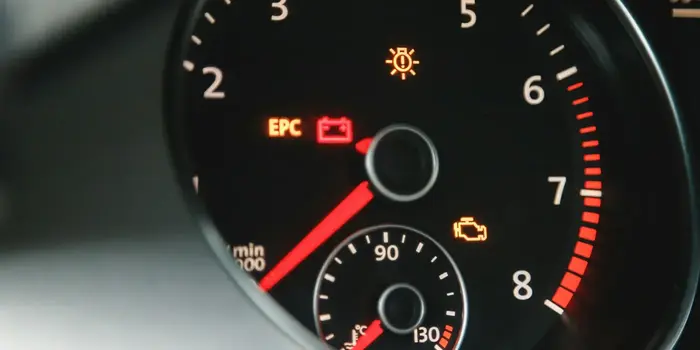
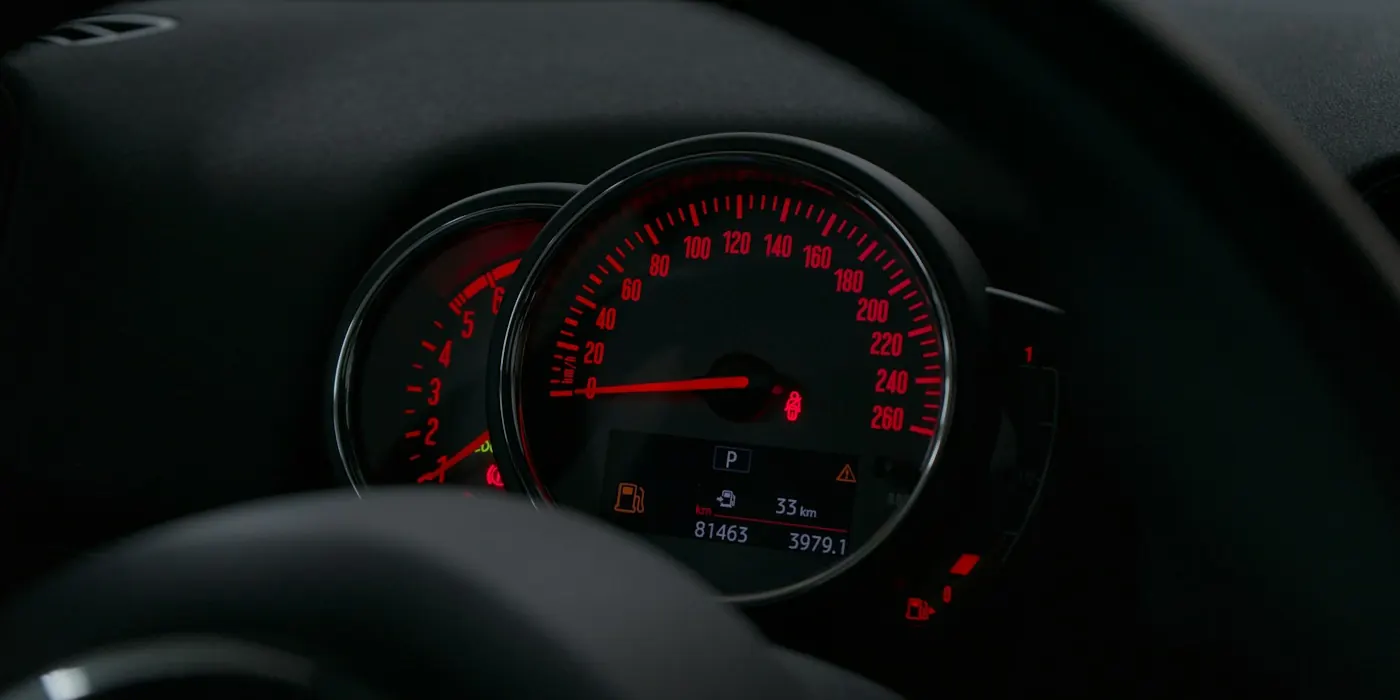
Oil pressure, engine, battery, TPMS… Each light has a different level of urgency. This guide explains which ones can wait and which ones mean you must stop right away.
Red lights: stop as soon as possible
A red warning light signals a critical problem that can damage your engine or put your safety at risk.
- ✓Oil pressure: shut off the engine immediately and check the level
- ✓Engine temperature: pull over, open the hood and let it cool down
- ✓Battery: the charging system is failing, plan to stop soon
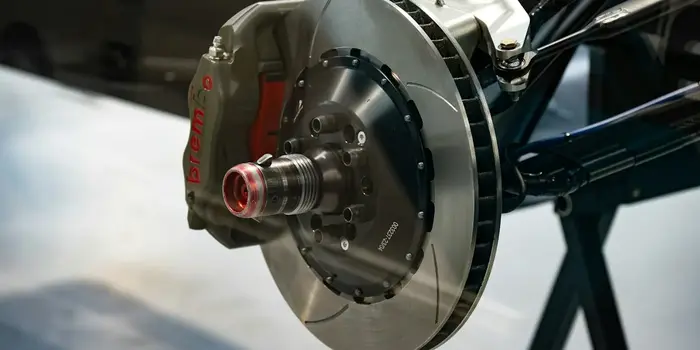
- ✓Brake / ABS: a braking problem, slow down and have it checked
- ✓Power steering: you can still steer, but with more effort
Never keep driving with a red light on, especially the oil pressure light. An engine without oil can be destroyed in under 30 seconds.
Orange lights: have it checked in the next few days
An orange or yellow light indicates a problem to fix soon, without immediate urgency.
- ✓Check Engine: an emissions or sensor problem, have it checked within 48 hours
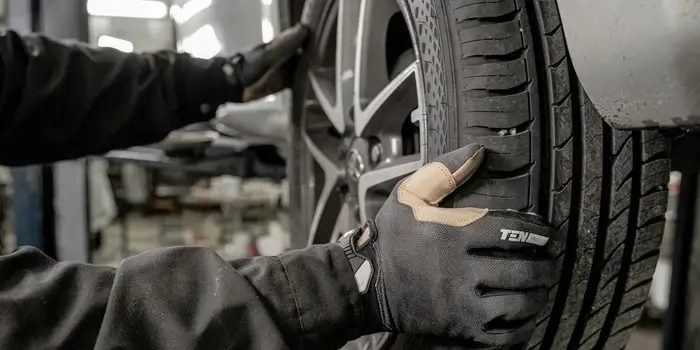
- ✓TPMS (tires): one or more tires are under-inflated, check the pressures
- ✓Washer fluid: empty reservoir, top it up at your next stop
- ✓Low fuel: you have roughly 50 to 80 km before running out
- ✓Service required: a scheduled maintenance is due
The Check Engine light: don't panic
This is the most common and most misunderstood light. It can signal something as trivial as a loose fuel cap, or something more serious like a failing sensor or a clogged catalytic converter. The only way to know is an OBD-II scan at a mechanic or an auto parts store.

If the Check Engine light is flashing (instead of steady), it is more urgent: it often means a misfire that can damage the catalytic converter. CAA-Québec then recommends stopping the car somewhere safe and having it towed to a garage.
TPMS: how to inflate your tires correctly
The tire pressure monitoring system (TPMS) lights up when a tire is more than 25% below the recommended pressure. Check the pressure of all 4 tires (plus the spare) with a gauge. The recommended pressure is shown on the sticker inside the driver's door, not on the tire sidewall.