 October 15, 2026
Orange engine light on or flashing: what it means, when to stop right away and how to find the cause without getting taken for a ride.
What the check engine light means
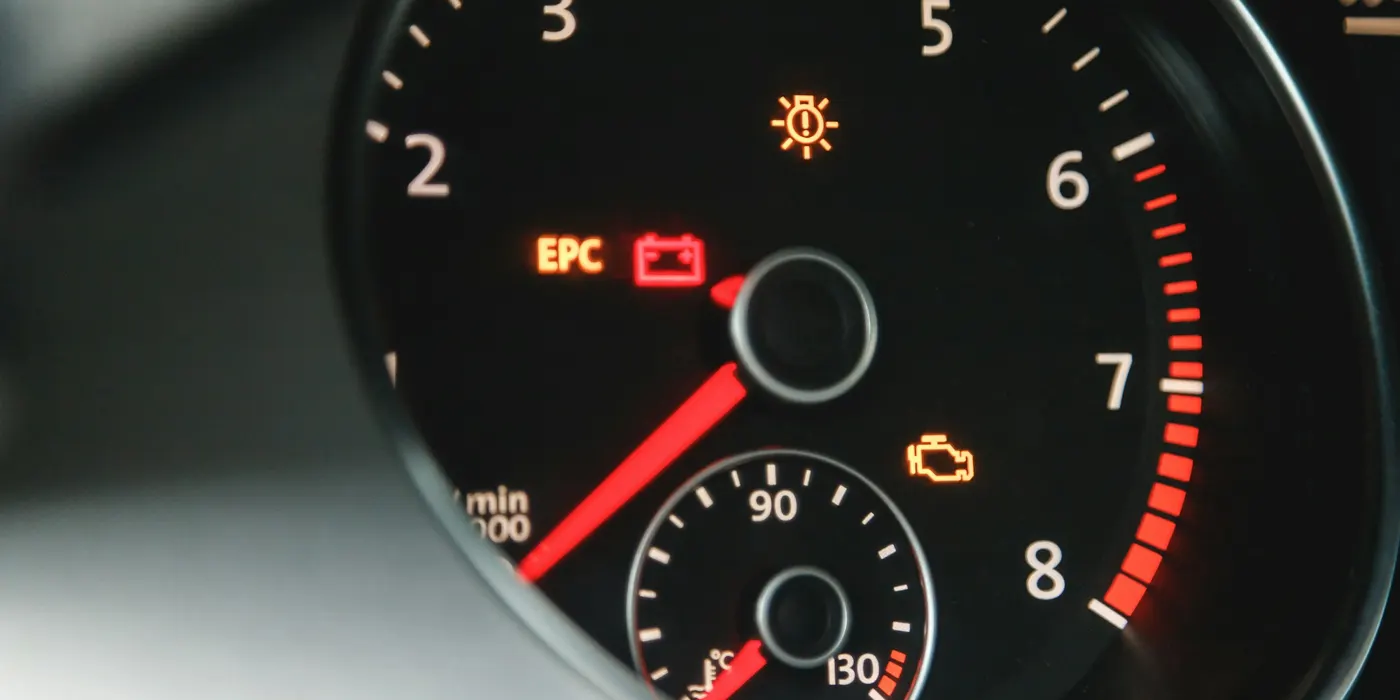
The engine light (often called "check engine") comes on when the vehicle's computer detects a problem with the engine, ignition, fuel injection or emissions system. It doesn't say what the problem is: it signals that an error code has been stored.
Steady or flashing: the big difference
The colour and behaviour of the light tell you how urgent it is.
- ✓Steady orange light: a problem to have checked in the next few days, not an emergency if the car drives normally
- ✓Flashing light: often a serious misfire; stop somewhere safe and have the car towed to a garage (CAA-Québec's advice)
- ✓Light with loss of power, smoke or an unusual noise: stop in a safe place
Don't ignore a flashing light: driving on can damage the catalytic converter, an expensive repair.
The most common causes
Many check engine lights have a simple cause, but only reading the code tells you which one.
- ✓Gas cap not closed properly after filling up
- ✓Faulty oxygen sensor or mass airflow sensor
- ✓Worn spark plugs or ignition coils (misfires)
- ✓Leak in the fuel vapour recovery system
- ✓Clogged or failing catalytic converter
What to do
First check the gas cap and tighten it. If the light stays on after a few trips, have the error code read with an OBD-II reader, then have the problem diagnosed by a garage. The code gives a lead, not always the part to replace: a proper diagnosis avoids replacing parts at random.

Before a repair over $100, the garage must give you a written estimate (Quebec Consumer Protection Act).