
 September 7, 2026
Not every brake noise is alarming, but some are. Learn to tell a normal noise from an emergency.
A squeak in the morning: often normal
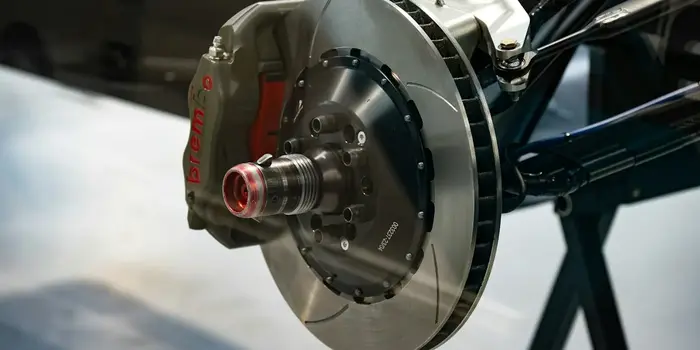
In damp weather or after a cool night, a thin layer of surface rust forms on the brake rotors. The first few stops rub it off, causing a temporary squeak or squeal. If the noise goes away after 2 or 3 stops, there is nothing to worry about.
A persistent noise: signs you should not ignore
A noise that lasts throughout your drive is a different signal:
- ✓Constant metallic grinding: the wear indicators (a metal tab built into the pads) are rubbing on the rotor, replace urgently
- ✓High-pitched squeal every time you brake: poor-quality pads, or pads glazed by heat
- ✓Deep grinding noise: the pad is completely worn, metal on metal. Very urgent, the rotors are being damaged
- ✓Squeaking with vibration: worn or warped rotors on top of the pads
The grinding noise (the sound of metal chewing metal) is an emergency. Every kilometre driven this way destroys your brake rotor, and the repair goes from pads alone to a full rotor and pad replacement.
What does it cost to do nothing?
Worn pads left too long end up damaging the rotors. Replacing the pads alone costs about $150 to $250. If the rotors also need replacing: $300 to $600 per axle. Acting early is always cheaper.