
 September 21, 2026
Is your car suddenly using more fuel than usual? Several simple causes can explain the increase, and most are easy to fix.
How to measure your real consumption
Before you panic, check your actual consumption. Fill the tank to the brim, note the odometer reading, then drive normally until the tank is half empty or fill up completely again. Divide the litres added by the kilometres driven and multiply by 100. Compare the result with the normal consumption for your model.
Mechanical causes to check first
Several mechanical problems directly increase consumption:
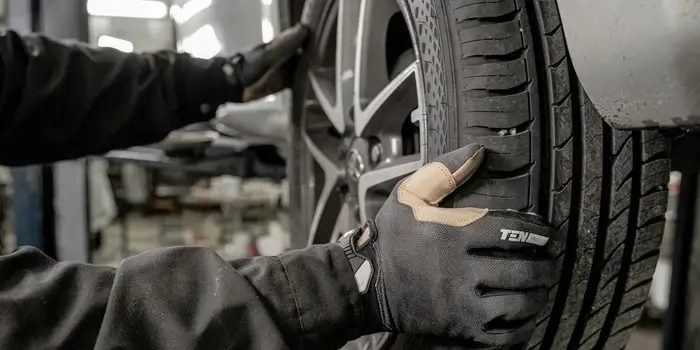
- ✓Under-inflated tires: 56 kPa (8 psi) too low means nearly 4% more fuel (Natural Resources Canada)
- ✓Clogged air filter: reduces combustion efficiency
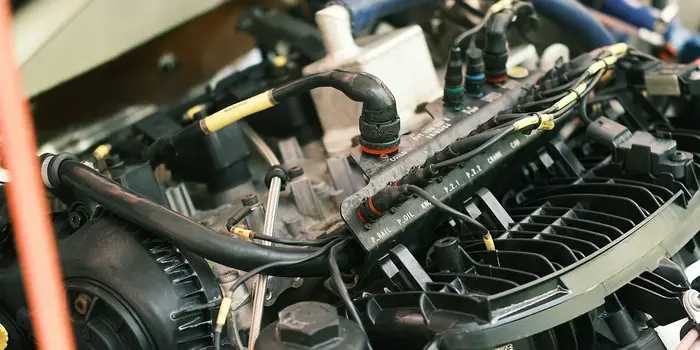
- ✓Worn spark plugs: incomplete combustion means more fuel for the same power
- ✓Faulty O2 sensor: the engine injects too much or too little fuel
- ✓Thermostat stuck open: an engine that never warms up runs rich
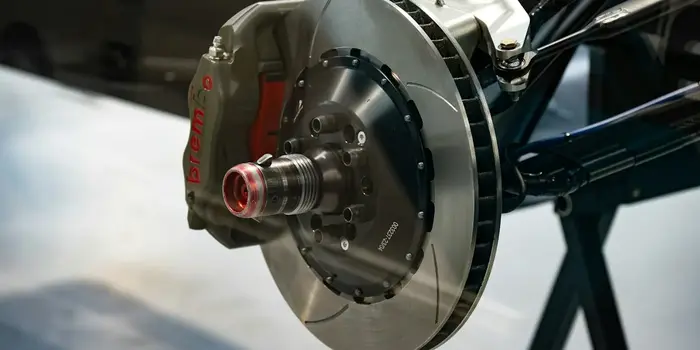
- ✓Dragging brake pads: constant resistance means more work for the engine
Causes related to how you drive
Before suspecting a fault, check whether your driving has changed:
- ✓More short trips (a cold engine uses 2 to 3 times more fuel)
- ✓Air conditioning running all the time (10 to 20% more fuel)
- ✓A loaded trunk or a roof rack adding drag
- ✓Aggressive driving (hard acceleration, late braking)
- ✓Lower-quality fuel
When should you see a mechanic?
If consumption has gone up by more than 15% with no change in your habits, have a diagnostic done. Most causes are cheap to fix (air filter: $30, spark plugs: $60 to $120), but if ignored they cost a lot in fuel over the long run.