
 August 17, 2026
A battery lasts 3 to 5 years on average, and Quebec's cold wears it out faster. Here is how to know when to replace it and avoid a breakdown at the worst moment.
The real lifespan of a battery
On average, a car battery lasts between 3 and 5 years. Some reach 7 years in good conditions, others give out at 2 years under heavy use. In extreme cold, a fact of life in Quebec, a battery has only about 25% of its starting power left at -30 °C, according to CAA-Québec.
Warning signs of a battery on its way out
Don't get caught off guard. A weak battery sends clear signals:
- ✓Slow or laboured starts, especially on winter mornings
- ✓Interior lights that dim when the engine is off
- ✓A click-click-click on start-up (the starter has no power)
- ✓The battery or alternator light comes on
- ✓The battery is more than 4 years old
- ✓Frequent boosts or roadside calls
Quebec's cold: enemy number one
In deep cold, a battery has to deliver far more energy to start an engine whose oil has thickened, while its own capacity is reduced by the freeze. That is why battery failures cluster in November and December and again in January and February. A battery test before winter can spare you a nasty surprise.

Most garages and auto parts stores will test your battery for free, usually in about 5 minutes.
Choosing the right replacement battery
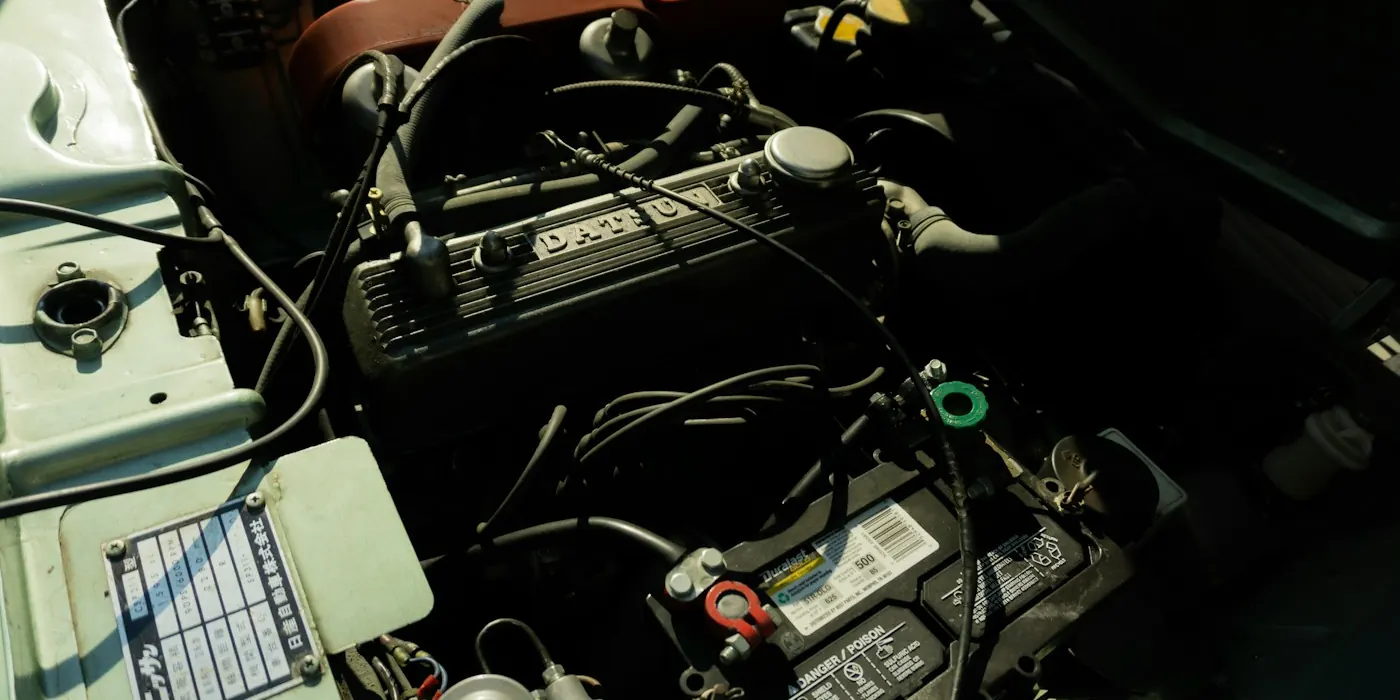
Every vehicle requires a battery with specific ratings (group size, cold cranking amps or CCA, amp-hours or Ah). Never install an undersized battery to save money: it will fail sooner and can damage the vehicle's electronics.
- ✓Check the manual or the label on the old battery
- ✓In Quebec, aim for at least 500 CCA (cold cranking amps) for a 4-cylinder engine
- ✓AGM batteries (for vehicles with Start/Stop) are not interchangeable with standard batteries